




About This Collection
Hodoku Collection
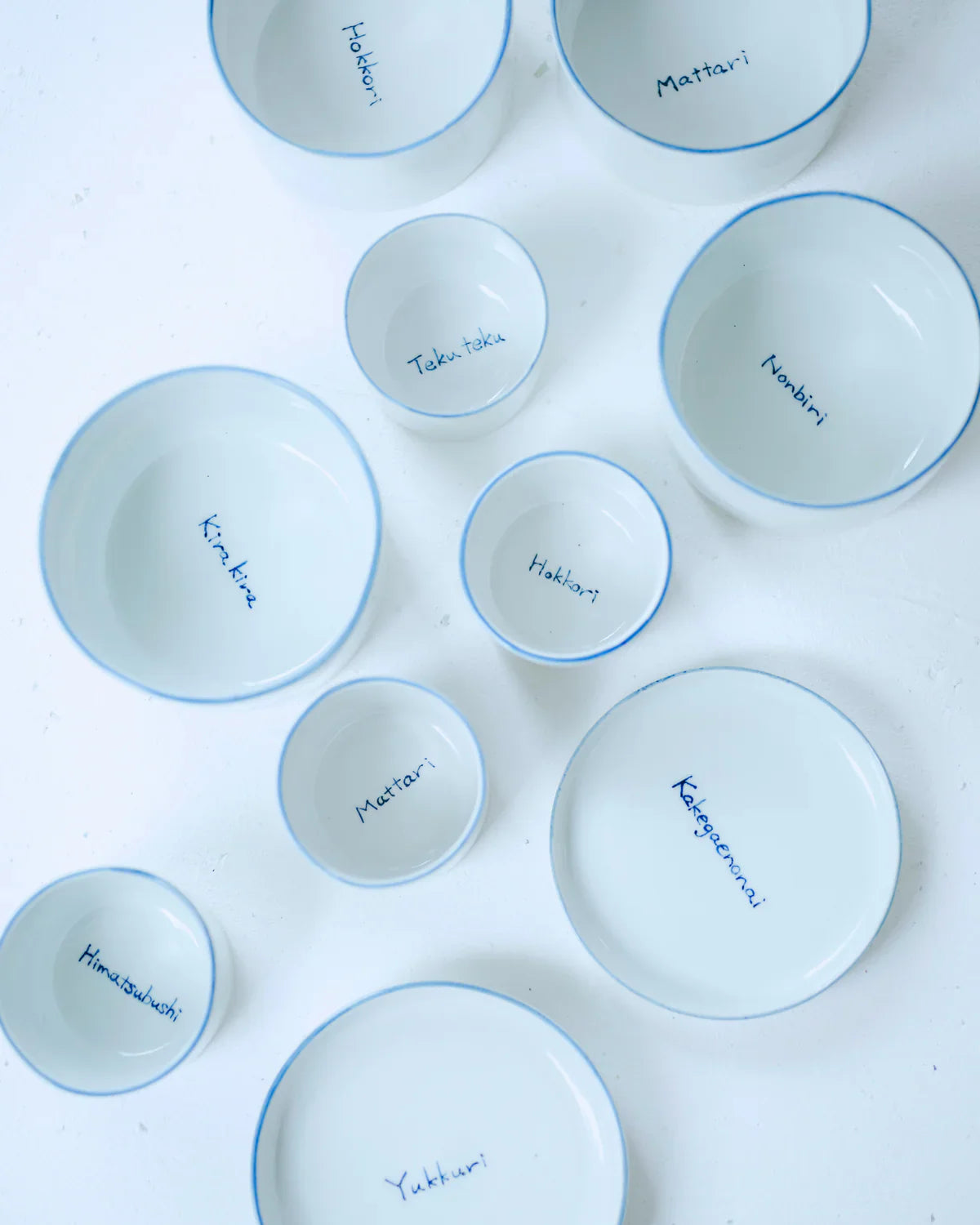
We developed, for the first time in Japan, a glaze born from Akoya shells left after the pearls are harvested. With this glaze we made a jewelry tray, an ochoko (a generous gabunomi size), and a matcha bowl. The color is a pale ice blue, like the sea at early morning. Every piece is one of a kind.
Into the base of each vessel we carved a single Japanese word, to unravel the heart once it has been used.
May these vessels, within everyday life, gently loosen hardened convention and a stiffened heart.
![[ Hodoku ] 01.Jewelry Tray](http://annadiamond.shop/cdn/shop/files/29_85b2f8fd-8bde-4706-b414-d27e674cc3a6.png?v=1757735311&width=800)

Unravel the heart. Unravel convention.
[ Hodoku ] 01.Jewelry Tray
¥7,150 (tax in)
![[ Hodoku ] 02.Gabunomi Ochoko](http://annadiamond.shop/cdn/shop/files/31_eed83e65-f52f-4fab-83a0-0cda966b4687.png?v=1757735309&width=800)
Unravel the heart. Unravel convention.
[ Hodoku ] 02.Gabunomi Ochoko
¥7,150 (tax in)
![[ Hodoku ] 03.Matcha Bowl](http://annadiamond.shop/cdn/shop/files/30_651baf8a-ab3e-434a-a7c2-9882fcf78eba.png?v=1757735307&width=800)

Unravel the heart. Unravel convention.
[ Hodoku ] 03.Matcha Bowl
¥9,350 (tax in)


A Second Life for the Akoya Shell
Each year at ANNA DIAMOND we visit Ehime, home of Japan's Akoya pearls, choosing only pearls unique in color and shape that also meet our quality standards, and setting them into jewelry. Japanese Akoya pearls are known as the most beautiful pearls in the world, supported by more than 140 years of history and accumulated cultivation technique. It takes 3 to 5 years for a single pearl to form. Many pearl farmers cherish the skills handed down through generations, facing their pearls almost as family.
In that region, a question came to me. What becomes of the shells once the pearls are harvested? I learned that although some are exported, most go unused, discarded as industrial waste and straining landfill sites. As someone who receives the pearls, could I not give new value to the shells left behind? From that wish, I carried home shells full of the scent of the tide, and this project began.
But shells that had spent long years in the wild had small shells of other species and living creatures fused firmly onto them (once, there was even an octopus inside), and returning them to a pure shell state took tremendous effort. The search for how to use them continued, days spent literally running all over Japan.
The turning point was meeting Koichi Taniguchi, the third generation of Taniguchi Seidosho, which prepares the clay for Kutani ware. The history of Kutani ware reaches back to the Kaga domain, present day Ishikawa, in the 17th century. Kutani ware is known for its vivid colors and bold designs, but what supports that beauty is the delicacy of the clay. The clay, ground from Hanasaka pottery stone quarried in Ishikawa, is based on a pure white, and after firing holds a translucent beauty that brings out the vivid colors characteristic of Kutani ware. Founded in 1951, Taniguchi Seidosho has made this beautiful clay for over 70 years, supporting the local economy and the passing on of culture.
Together with Mr. Taniguchi we took on challenge after challenge, from removing salt to grinding, and many people lent their wisdom and strength to seemingly impossible demands. At the end of it all, we finally brought the shells back to life as a ceramic glaze, and gave them form as vessels.
Of course, one vessel alone cannot solve the problem of waste. Environmental and social issues always hold complex, layered causes. Even so, through this challenge we felt anew how important it is to look again at what we take for granted in familiar materials and scenery. We would be glad if this endeavor became, even a little, an occasion to reconsider the everyday you take for granted.