
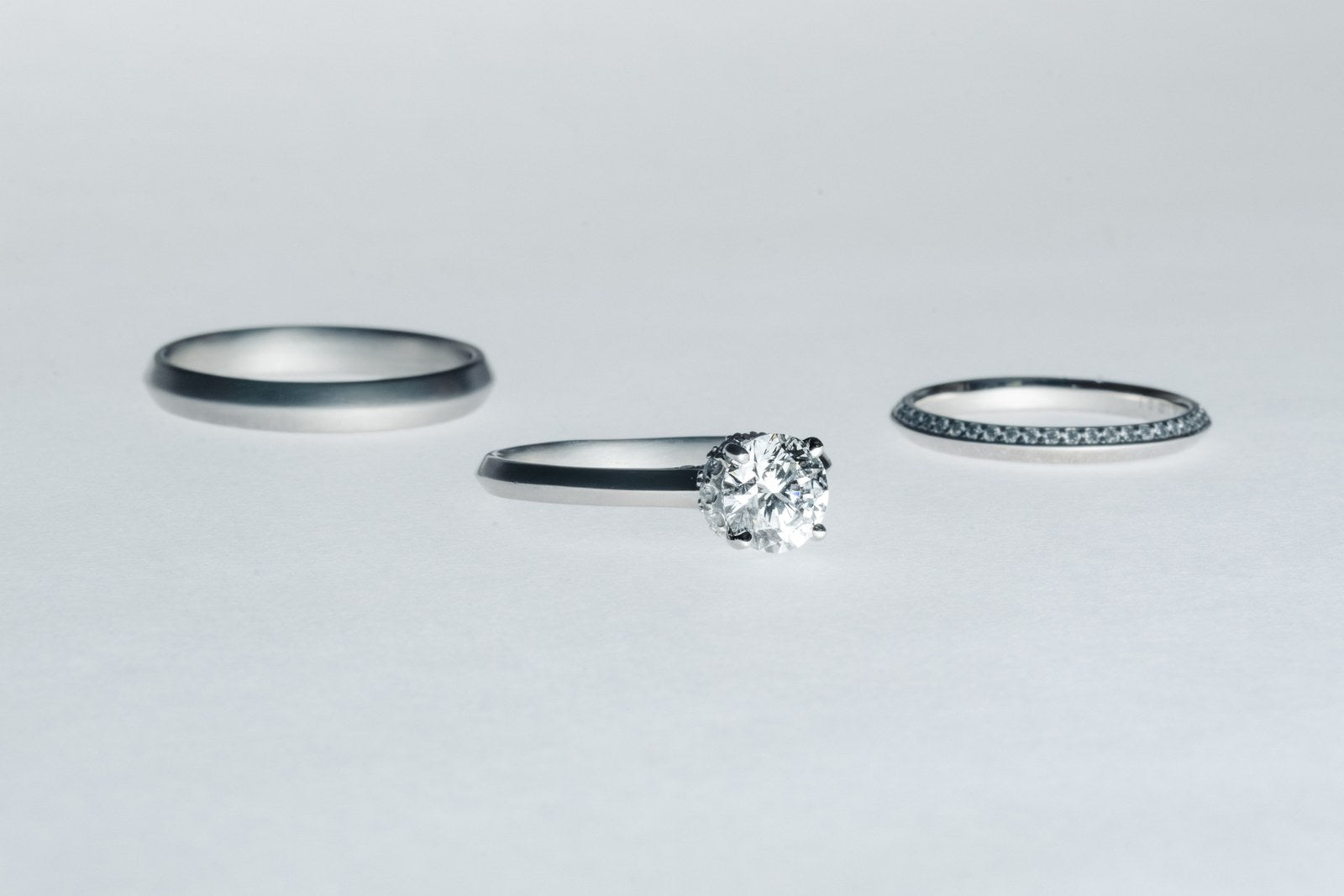


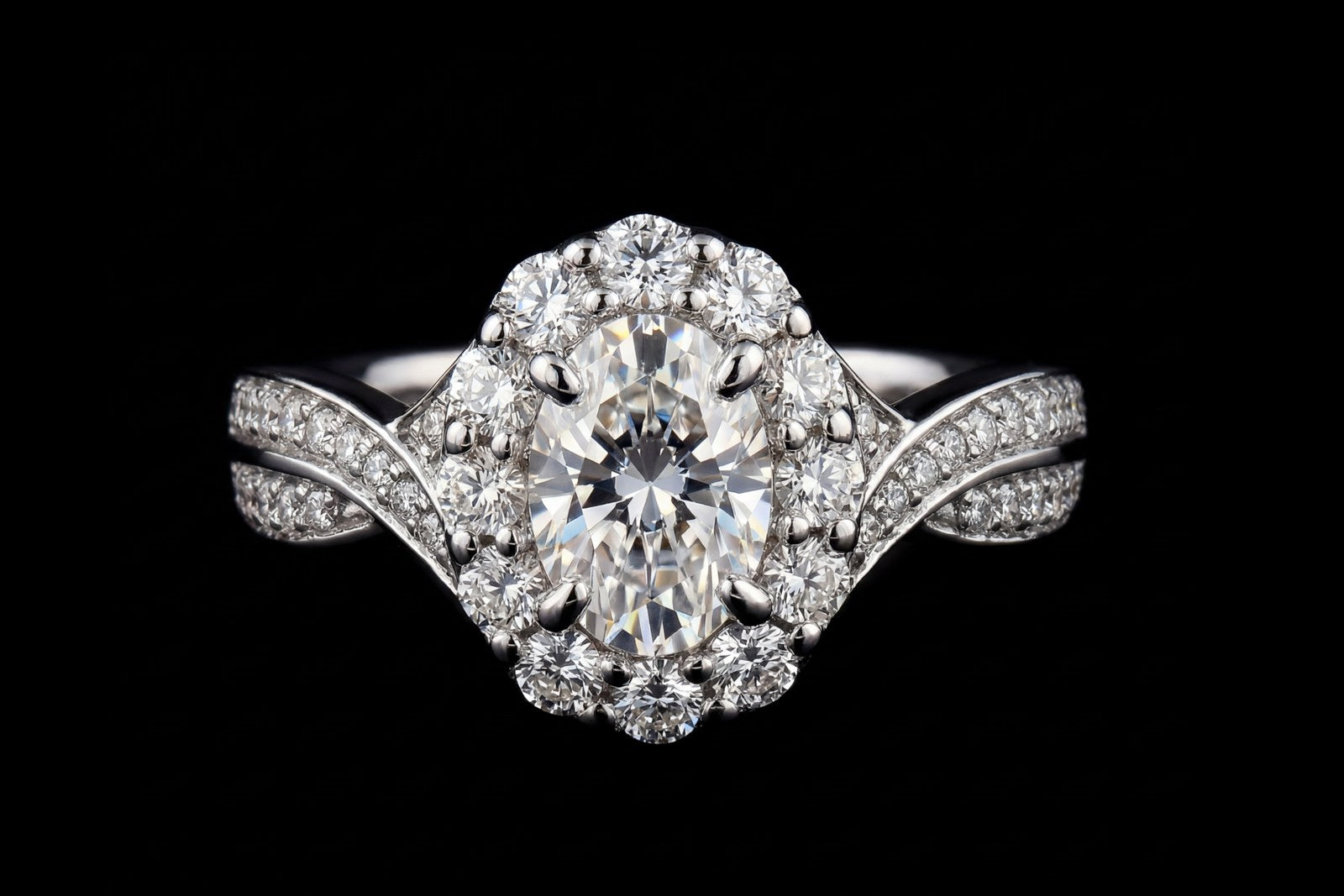


I have always thought of a diamond as a dream you can hold in your hand. A small, hard light that keeps its form for hundreds of millions of years. But once I learned what has happened at the foot of that light, as someone who makes jewellery for a living, I could no longer look away.
For the basics, see our illustrated guide, what a lab-grown diamond is. This article digs into one subject only, the environment, and does so honestly.
What digging means
A natural diamond is recovered by digging into deposits deep underground. When a single mine is opened, vast stretches of land are turned over, and great quantities of water and energy are consumed. Some studies estimate that tens to hundreds of tonnes of earth are moved to obtain one carat of stone.
The mining industry is working to lighten its footprint, and there are places where mining sustains local livelihoods. We have no wish to cast natural diamonds as the villain. And yet a way has now emerged to hold a diamond without cutting a new hole into the earth. In the long history of jewellery, that is a very great turning point.
Choosing not to dig

A lab-grown diamond is raised over several weeks, in conditions that recreate through technology the environment in which a natural diamond crystallises underground. Its chemical composition and crystal structure are the same as a natural stone's. It is a diamond in the fullest sense. We explain the details in our guide to lab-grown diamonds.
Because no land is turned over, there is none of the impact on soil and water that mining brings. And it stands structurally apart from the problem diamonds have long carried, that of becoming a source of funds in conflict zones.
Electricity, the homework that remains
At the same time, growing a lab-grown diamond takes a great deal of electricity. If that electricity comes from fossil fuels, the burden on the environment cannot be called zero. More and more growers raise their stones on renewable energy, but not yet all of them.
That is why we never say that lab-grown means unconditionally ethical. The certain merit of not digging, and the homework of electricity. We would like you to choose knowing both. The ideal still lies a little further ahead. The technology advances every year, and this homework is in the middle of being solved.

Where the world stands

In the United States, about half of the diamonds chosen for engagement rings are already lab-grown. Among Generation Z, one survey finds two in three choosing them. A generation raised to treat care for the environment and for human rights not as a special conviction but as an everyday given is quietly changing the way jewellery is chosen.
In Japan, awareness has yet to reach one person in ten. Yet a domestic survey finds that once people learn what the stone is, more than six in ten receive it warmly. It is not that the stone is being refused. It is simply not yet known.
Digging no new mines
At ANNA DIAMOND, the same thinking runs through the metal as well as the stone. Most of the gold and platinum in our jewellery is recycled metal, recovered from electronic devices at the end of their working lives, drawn from what Japan calls the urban mine. And the shells of the akoya oysters that once held pearls are crushed into plaster, reborn as the walls of our gallery in Daikanyama, Tokyo.

A stone that digs nothing new, and metal that digs nothing new. An age in which the joy of wearing something beautiful need not rest on someone's sacrifice, somewhere, has only just begun. We believe our work is to place that choice in your hands in its most beautiful form.
You can see everything in person at our gallery in Daikanyama, Tokyo. No reservation is needed. And do look for the flecks of shell glinting in the plaster of the walls.
For a comparison with natural diamonds that reaches as far as price and resale value, see lab-grown vs natural diamonds.