



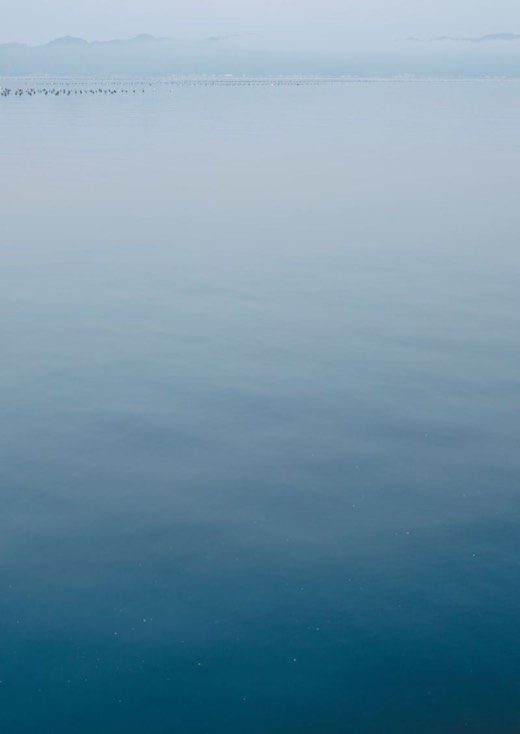
Uwajima, Ehime.
the boats go out.
This is one of Japan's foremost regions for Akoya pearls, a coastline of quiet inlets shaped by the ria terrain. Cold winter water tightens the nacre and gives the pearls their particular sheen.
Pearl farming begins before dawn. That is when the day starts for the people who raise these pearls as they would raise a child.

is only one tenth of a harvest.
The Akoya has long been called the king of pearls, and for a long time only the perfectly round and perfectly white were considered beautiful. Pearls with a faint color, or a shape of their own, were bleached and worked until they matched.
Pearls with individual color or shape were not accepted as jewelry, and nine out of ten never reached the front of the room.

that shines.
Look at it another way, and the character each pearl has taken years to grow becomes the treasure. Much like people, what shines to me is not being the same perfect circle as everyone else, but the living character that will not fit the frame.
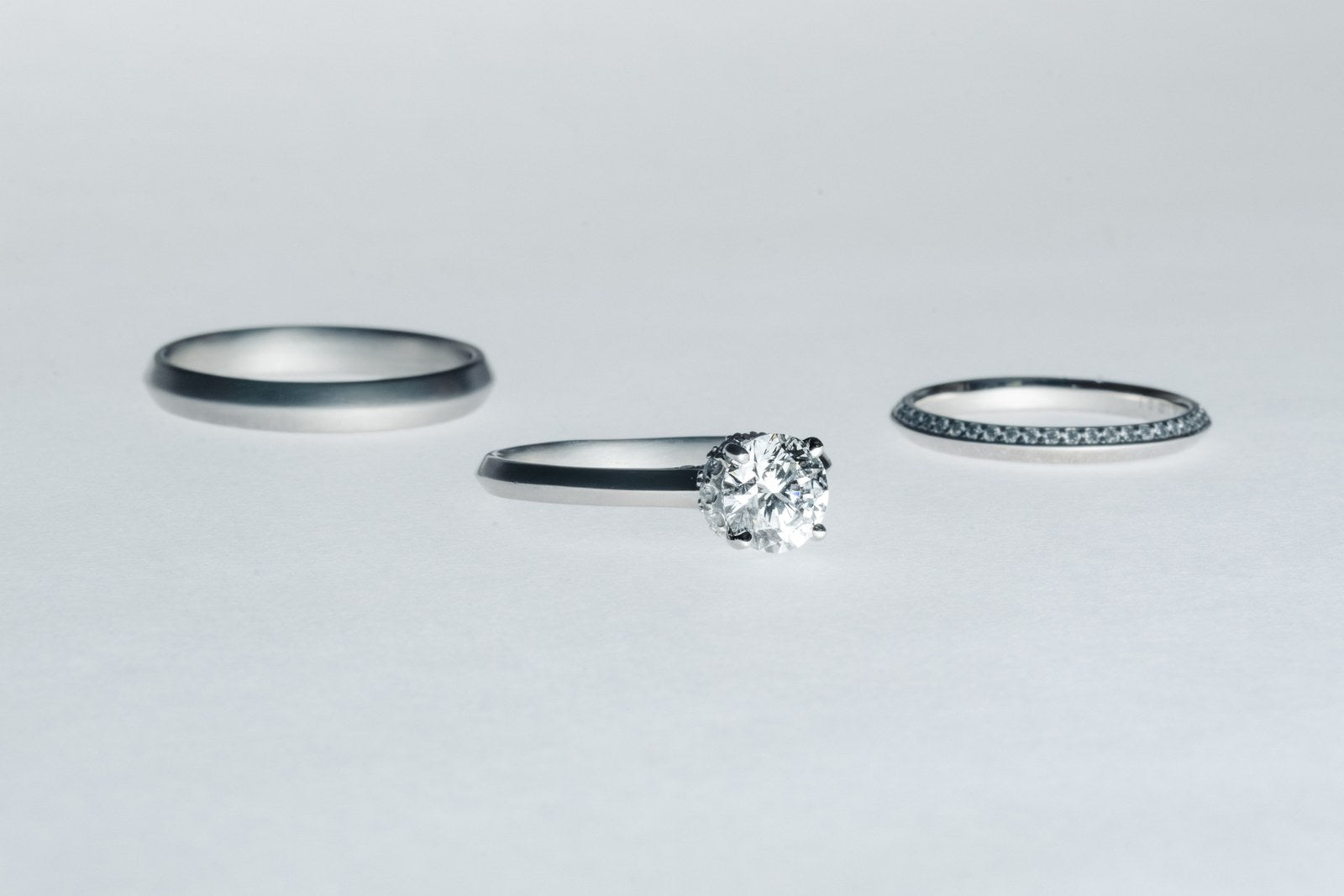
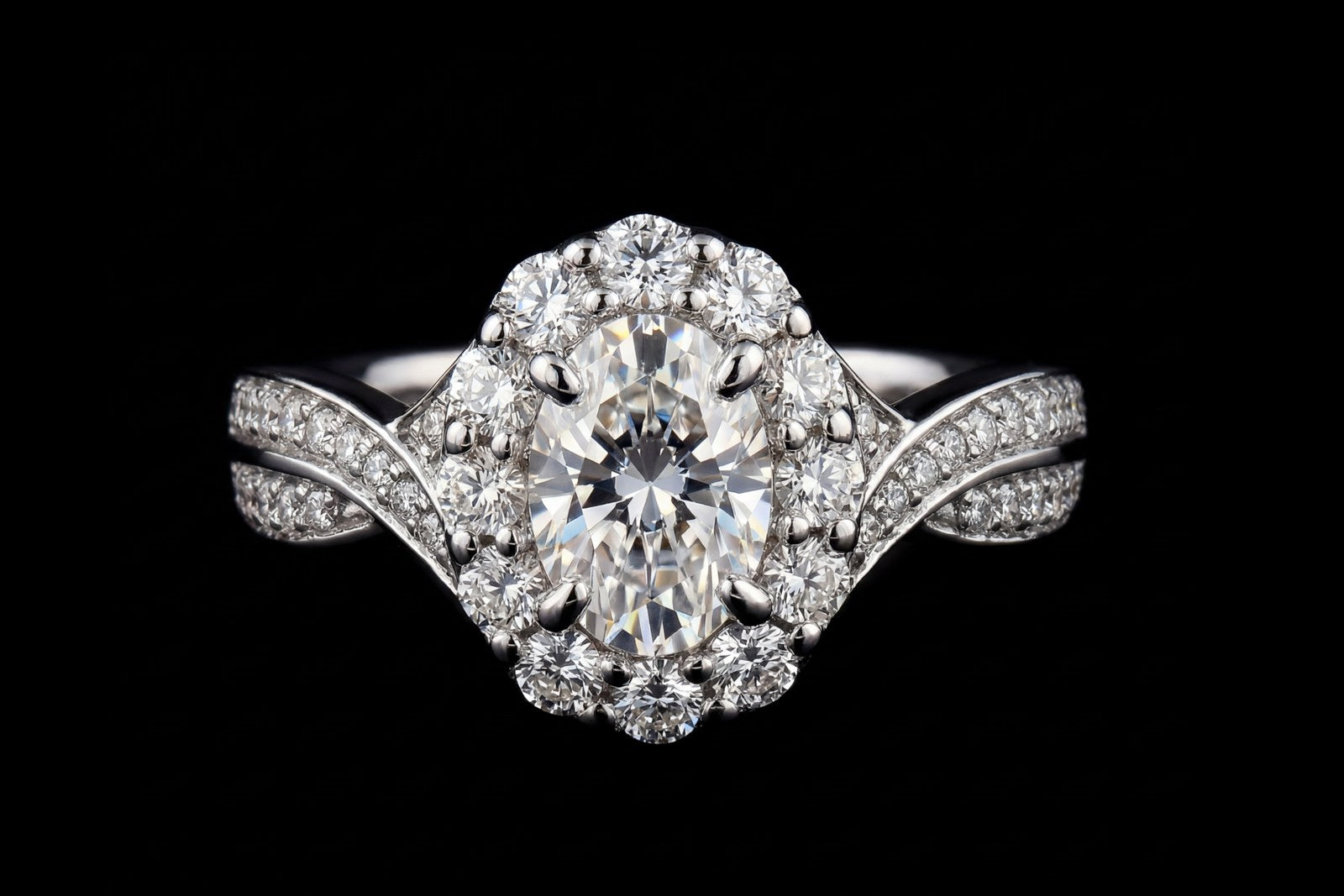
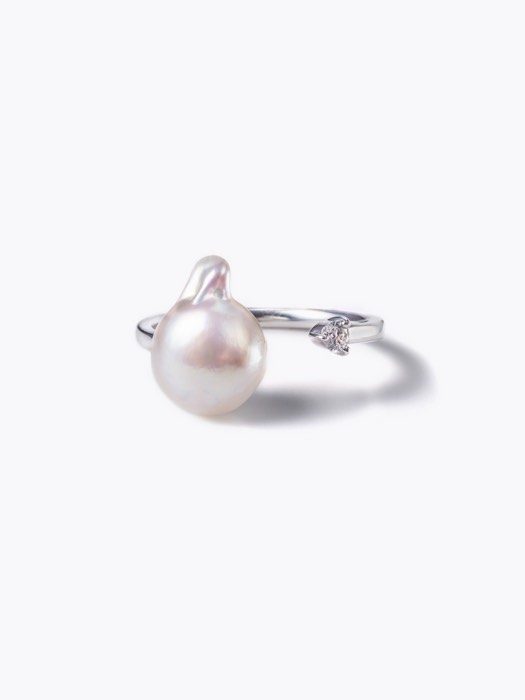
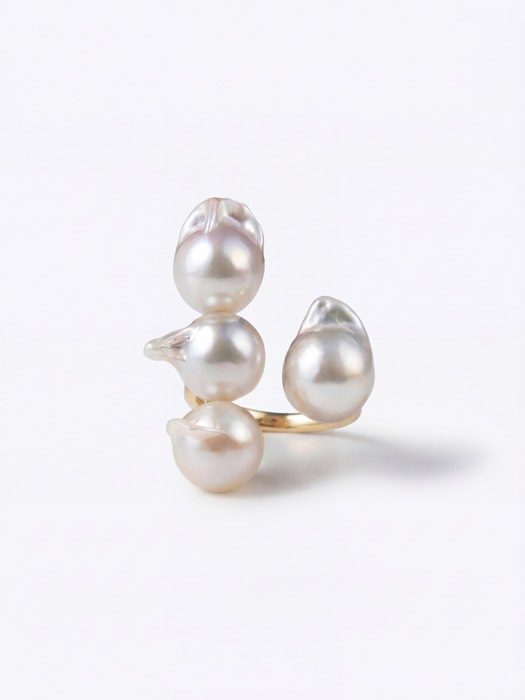
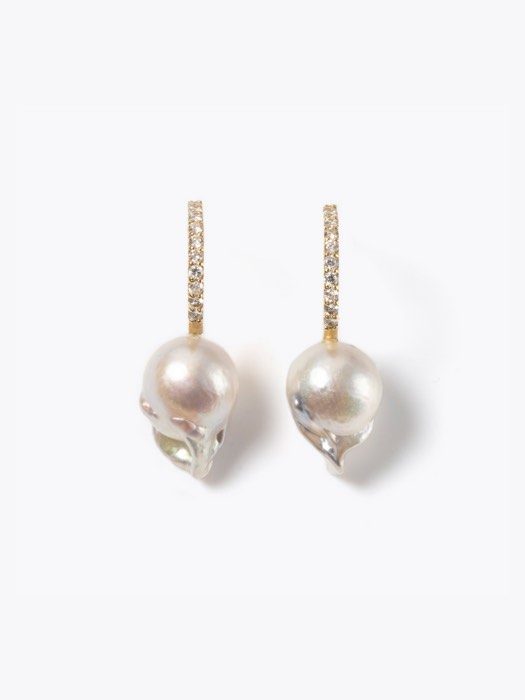
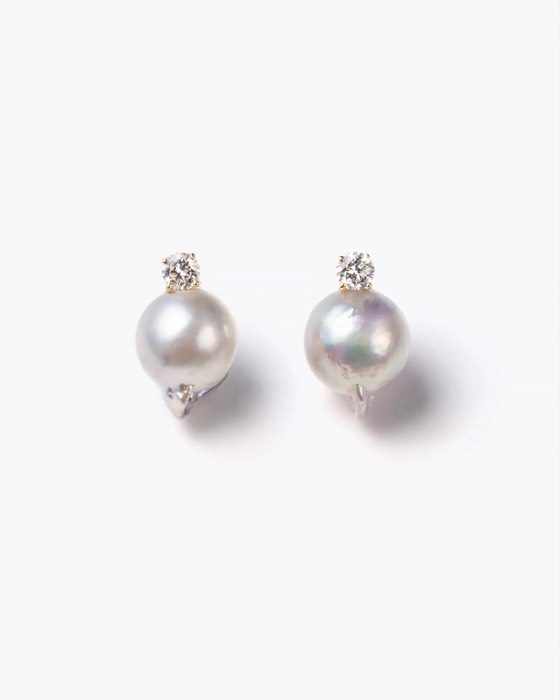
At ANNA DIAMOND we set pearls with their character intact. The pearl jewelry we deliver is, like you, one of a kind in the world.
All different, all good.
we visit the harvest.
Each winter the designer travels to the pearl farmers in Uwajima, Ehime. About an hour by car from Matsuyama airport, surrounded by beautiful sea and mountains, a place suited to raising pearls.
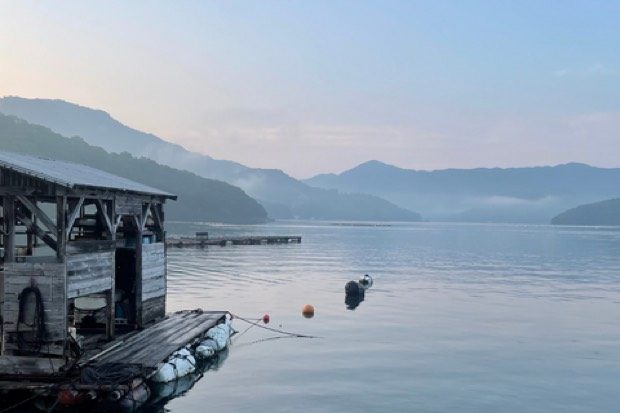
One year there were many large, full pearls called koshimono. A koshimono is a pearl that has lived through two winters. Surviving a second winter is no small thing, and the difficulty doubles with it.
Behind that lies the extraordinary care of the farmers. They read the sea and the oysters as both change day by day, and answer each change as it comes. Every morning they check the tide and move the oysters to the water where they will grow best.
There is no textbook answer. Years of experience, and a deep affection for the pearls, are what speak.
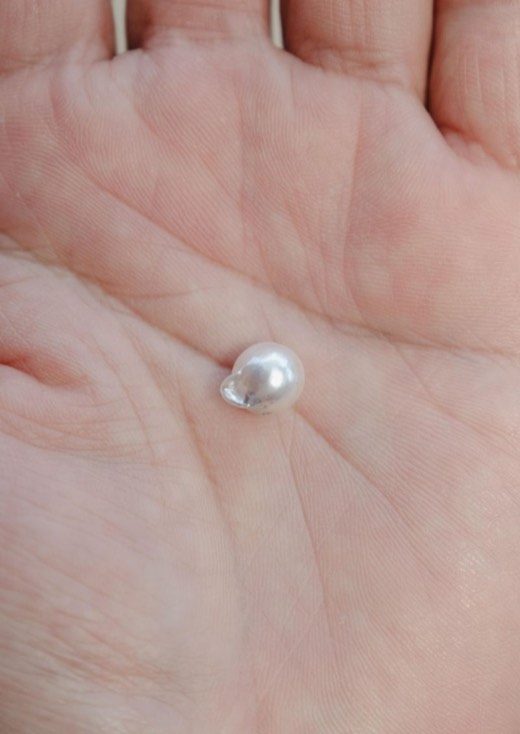
The larger the pearl, the more its character stands out. A pearl with a splendid wing, about to dance. A color that shifts in a moment between daylight and indoor light. Most people picture white when they think of pearls, and yet the range is remarkable, faint pink, green, ice grey.
The pearls chosen under the sun are then set one by one by skilled artisans in workshops here in Japan. A swell, a waist, the shape of a drop. No two are ever alike, so the pearl that reaches you is the one in the photograph.
the light differs with the person wearing it.
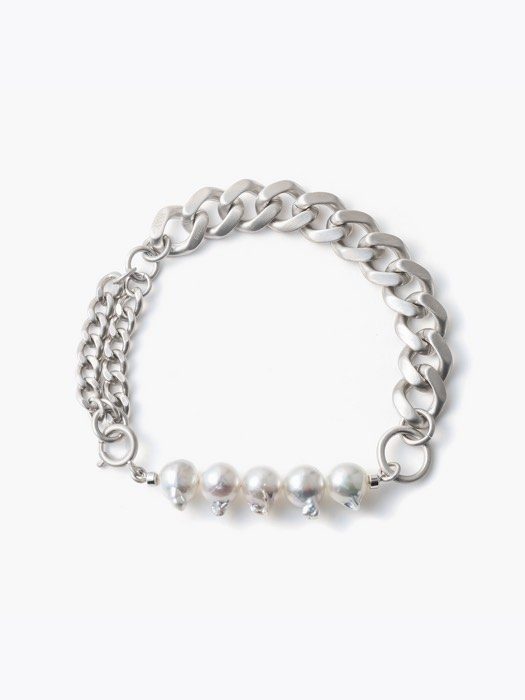
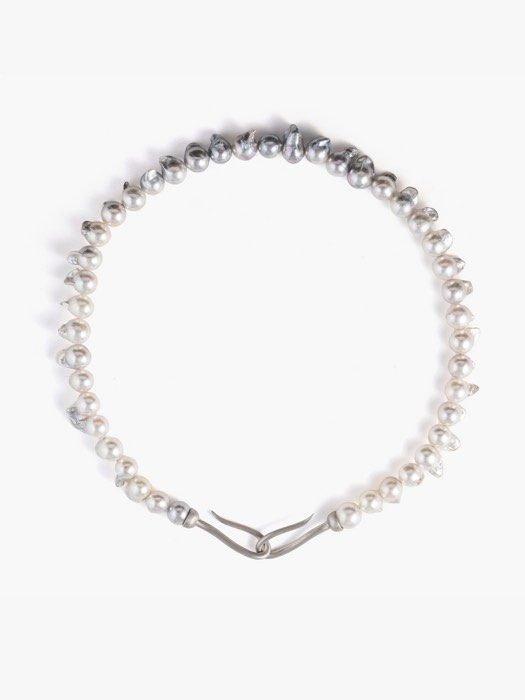
Afterglow ProjectAbout the shell, after the pearl
Where does the shell go once the pearl is taken out? Grown slowly in the sea, the shell finishes its work and is mostly disposed of as industrial waste, adding to the pressure on landfill.
Knowing that, we kept looking for another use for the shells. Wash, dry, grind. The brand team carried out that long and demanding process with their own hands.
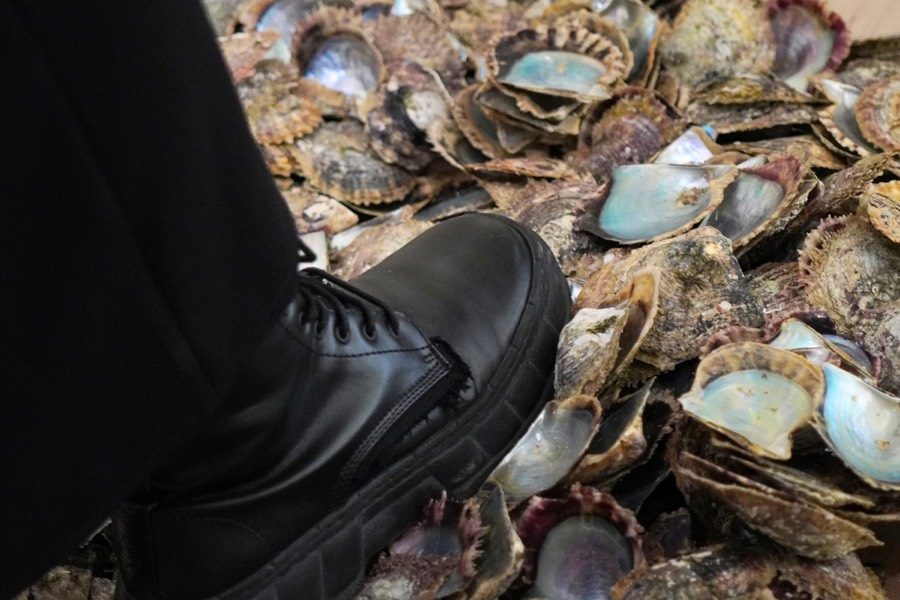
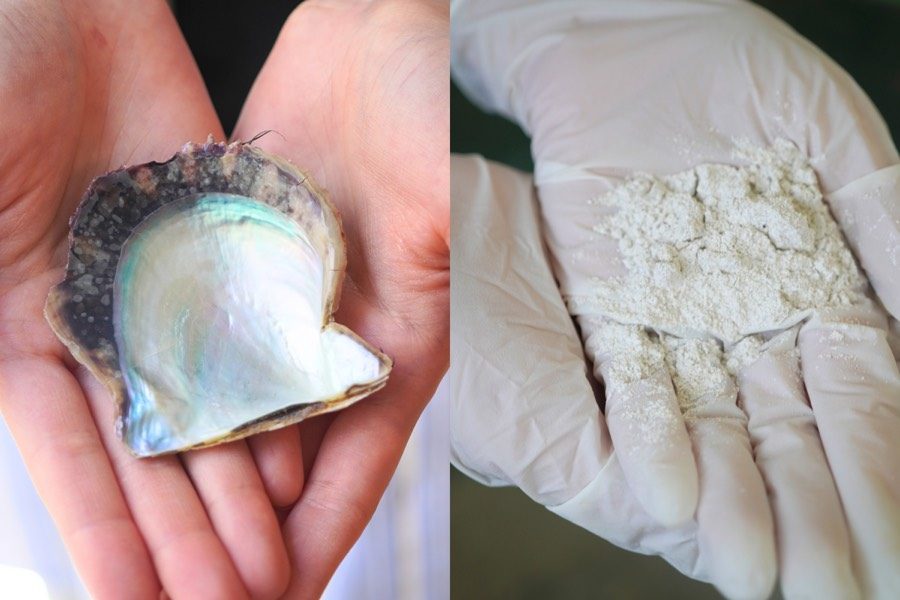
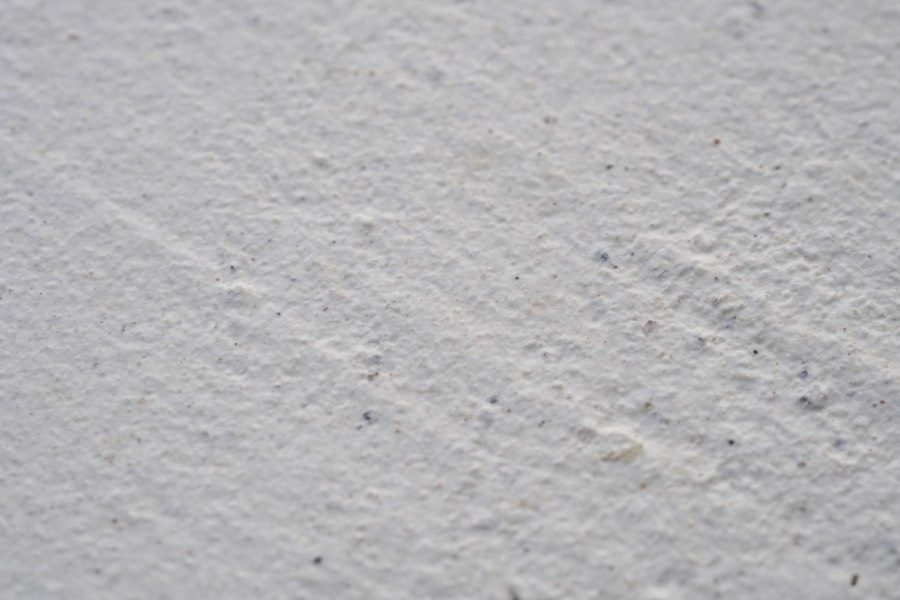
And so the shells were reborn as plaster. The walls of the ANNA DIAMOND Gallery in Daikanyama are finished with it. It regulates humidity, absorbs odor and resists bacteria, and it carries the story of something that was meant to disappear taking a new form.
HodokuA vessel born from shells
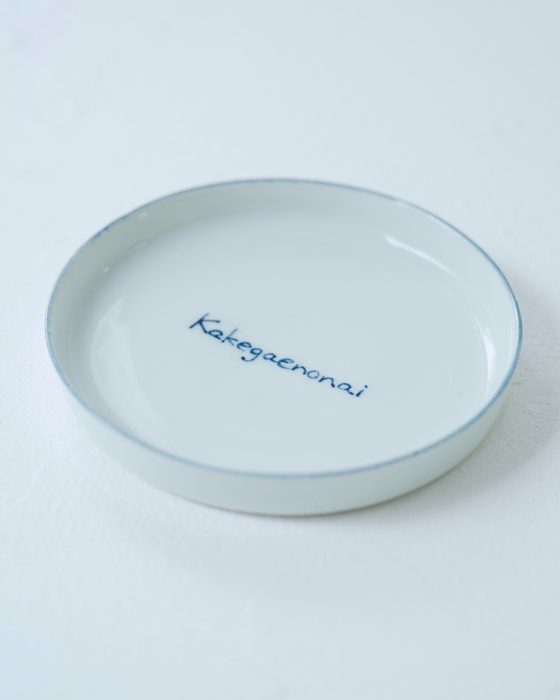
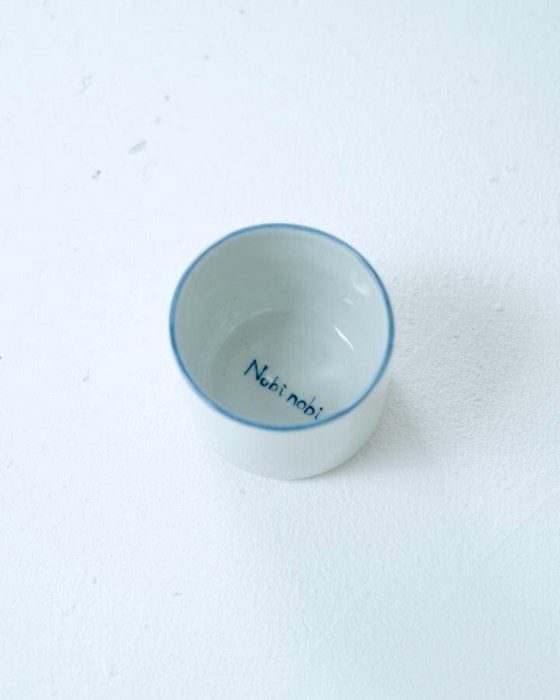
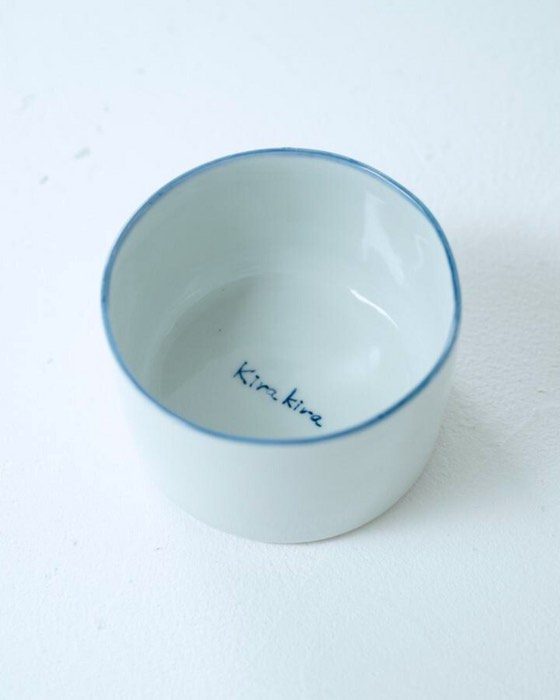
The other answer was Kutani glaze. It began with Koichi Taniguchi, the third generation of Taniguchi Seidosho, a house that has prepared Kutani clay for seventy years. How to draw out the salt, how to grind it fine. One wall at a time, the shells became glaze, and then vessels.